Which programming language should my kid learn? A guide for parents
It doesn't matter which programming language your kid learns — what matters is that they learn the fundamental concepts and building blocks of coding in any language. The main reason people fail to learn to code isn't that they chose the wrong language; it's because they gave up, because learning to code is hard.
What is coding, and why are there so many programming languages?
Coding is a way of directing a computer to take a specific set of actions. In much the same way we use English to communicate with others, we use coding to communicate with machines.
Deeper down, 1s and 0s (binary) are the only real "language" that computers understand. Programming languages are a way to translate those 1s and 0s into words and sentences that humans can understand and use to tell a computer what to do.
So why couldn't we just use one language?
Programming languages are like tools — and for different jobs, we use different tools. A tractor trailer, a bicycle, and a Tesla are all vehicles. They can all get you from point A to point B, but we use them for different things. Programming languages are similar. Ruby and JavaScript are great for building websites. Java and C++ are used for trading. Python and R analyse data. Like cars, languages often make trade-offs between ease of use, safety, and speed, based on what needs to be done.
Why it doesn't really matter which language you learn
The next three images show the JavaScript, Python, and C++ code to check if a number is even or odd. You don't need to understand how it works — just notice how similar they look. They all have the words "if" and "else," they share the same structure, and they all use that curious n%2 expression.
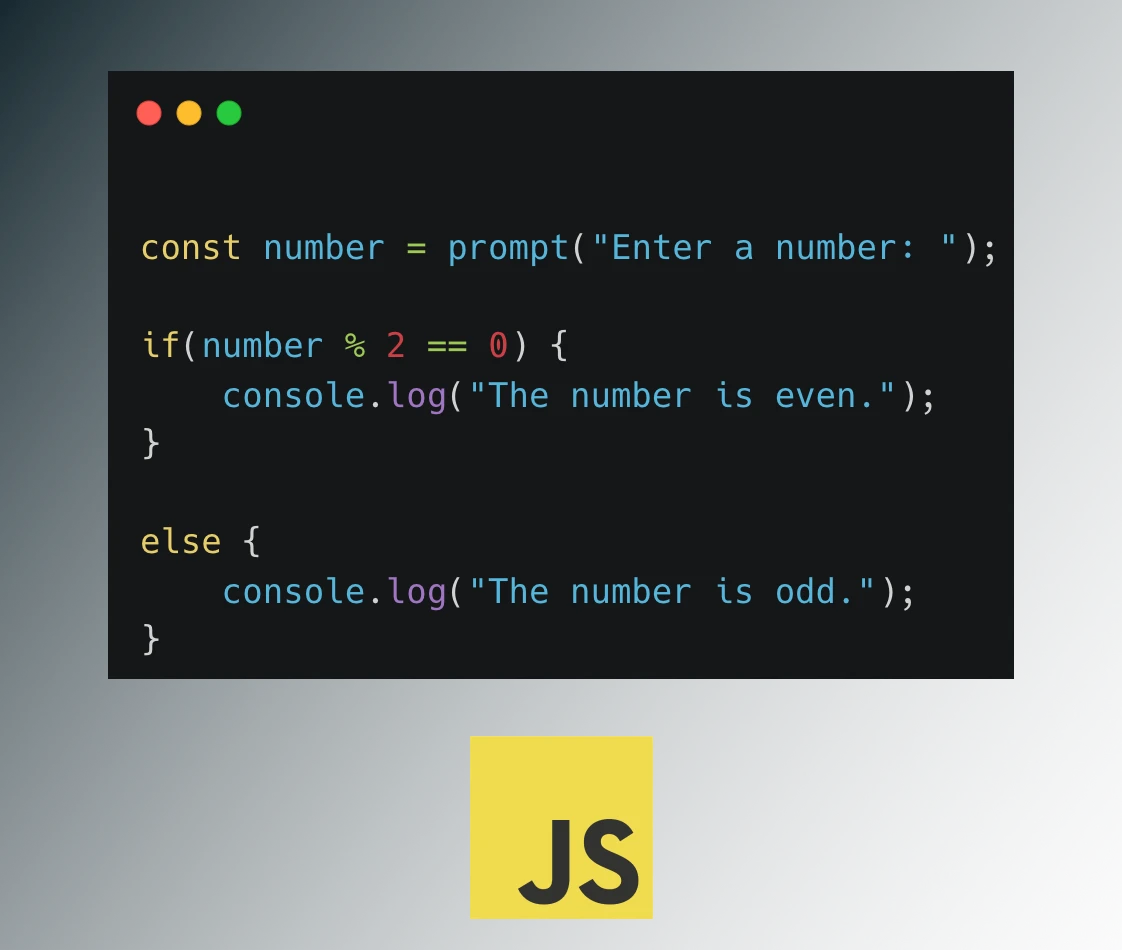
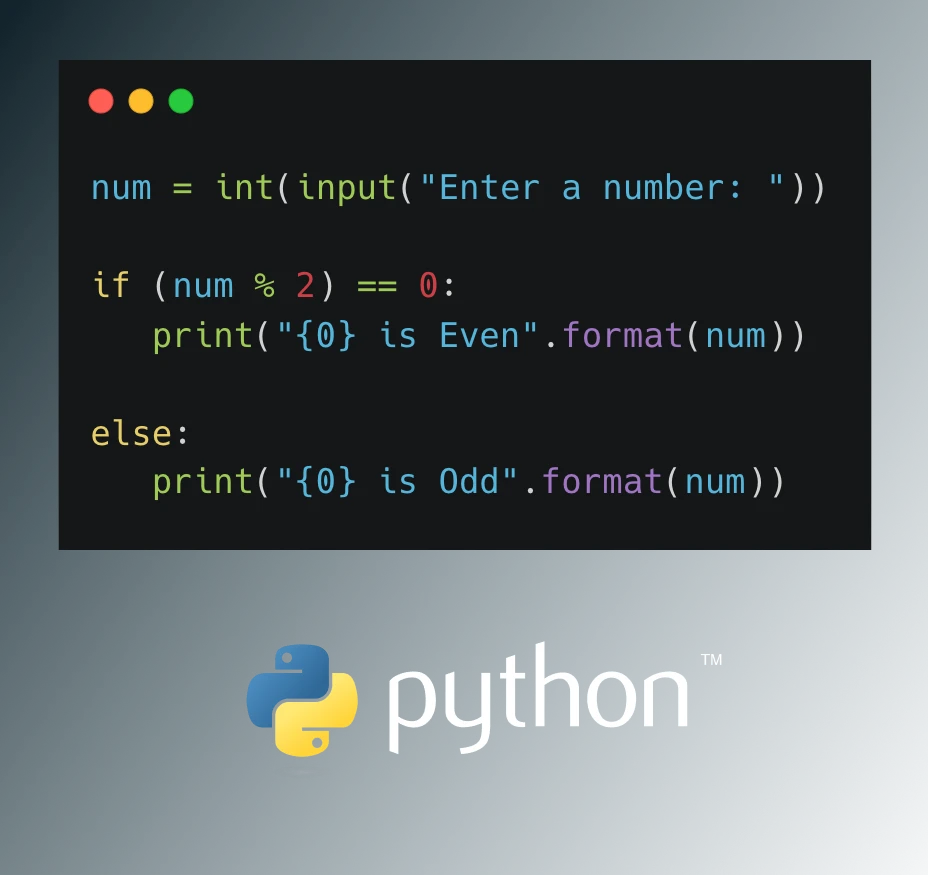
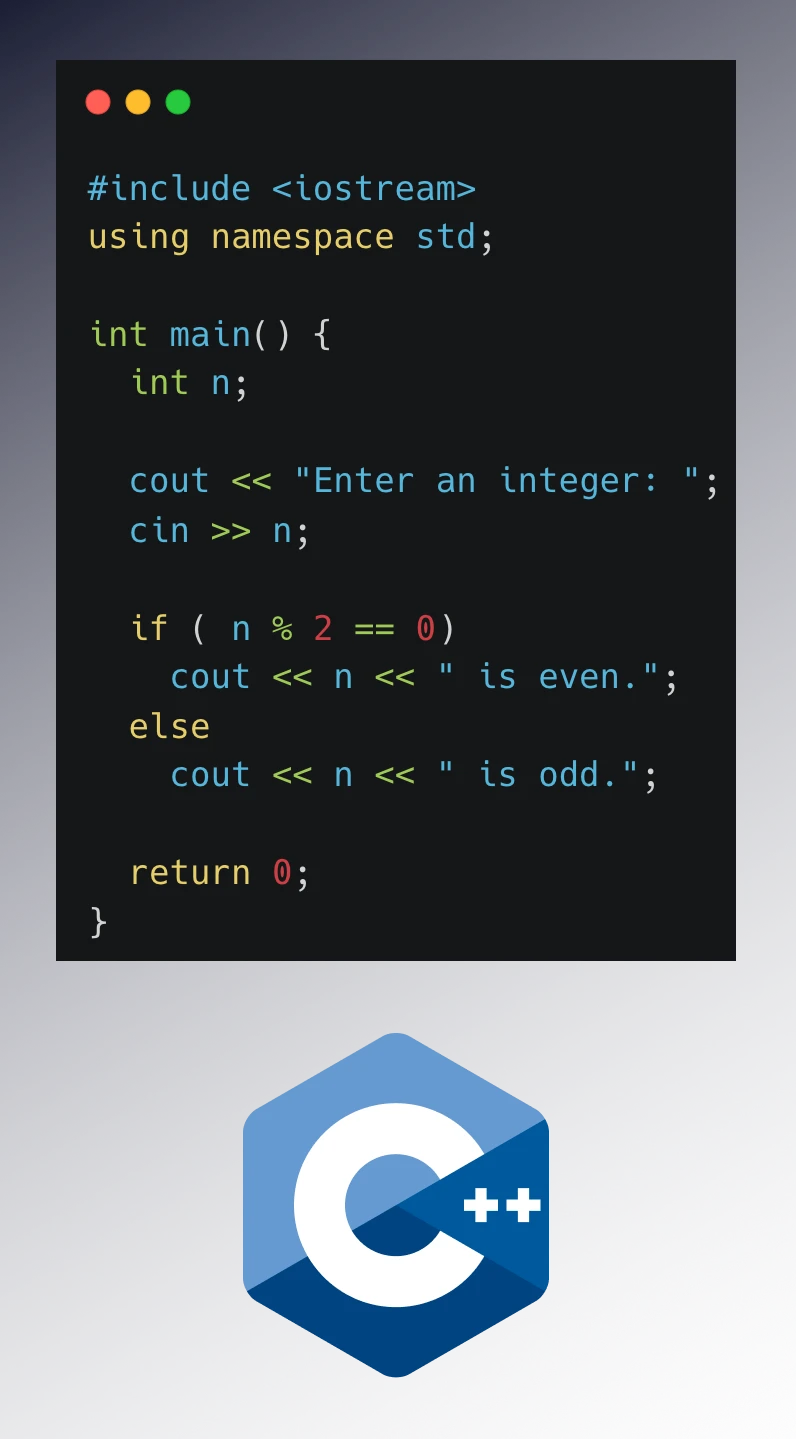
The key takeaway is that 99% of programming languages share the same fundamental building blocks: logic, loops, input, and output. Though they are utilised differently across languages, the underlying concepts are the same. Once you have a firm grasp of these fundamentals in one language, picking up any other language becomes straightforward.
"When you really understand how to code in Python, it will be straightforward to learn how to code in C++ or any other language."
What matters is which language sparks a joy for coding
It doesn't matter what programming language you learn — what's important is that you actually learn one. The biggest limiting factor is that kids give up; learning to code can be hard.
When you're starting out, the amount of information is overwhelming, you don't yet have enough knowledge to build anything exciting, and it's hard to debug error messages you don't understand. So many people quit after their first few classes because it's either too hard or it takes too long to build something they're passionate about.
There are two key ingredients to choosing the right language to get your kid hooked on coding:
- How quickly they can build something they care about — how quickly they reach the "aha!" moment.
- How beginner-friendly the language is.
I remember the first time I finished my first real coding project and built my first game. I was over the moon excited — I showed it to all my friends and family, and I would play my own game for hours. That jolt of excitement motivated me to keep learning despite the challenges.
We want to get kids to that "aha!" moment as soon as possible. Once a student understands how coding can create something they care about, learning to code is like rolling a ball down a hill. Yes, there will still be challenges, but they have a strong enough reason to overcome them.
Python is often suggested as the best language for beginners, and there's merit to that — it's one of the simpler languages to learn. But if a kid absolutely loves Roblox, learning Lua (the language used to make Roblox games) will likely be more successful. If a kid wants to build a website, learning JavaScript will be more motivating.
Then there's how beginner-friendly a language is. Scratch is very easy to learn because it's drag-and-drop and visual. C++, on the other hand, has a lot of complicated symbols and requires solving many small problems before you can build anything shareable. Students have to figure out a lot of small things before they can even think about making a full-scale app.
Still not sure where to start? Start with Python — and make games
Games tend to be the universal language among kids. I originally started coding because I wanted to code my own games — Bill Gates and Elon Musk started for the same reason.
The challenge is that Python is usually taught in a very dry way, and it takes a long time before you can create anything visual, like a game.
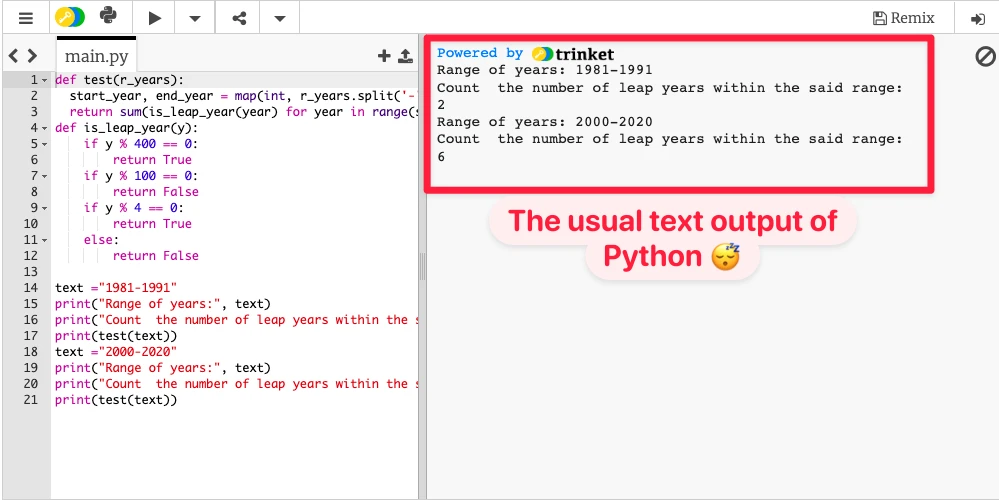
But there's a version of Python that lets you create visual output from your very first line of code. Within just 1–3 hours of coding, you can create a basic version of Pong. The beauty is that kids don't even have to wait 3 hours for the "aha!" moment — it can happen within their first two lines of code, because it becomes immediately obvious how coding can be used to create games and beautiful visuals.
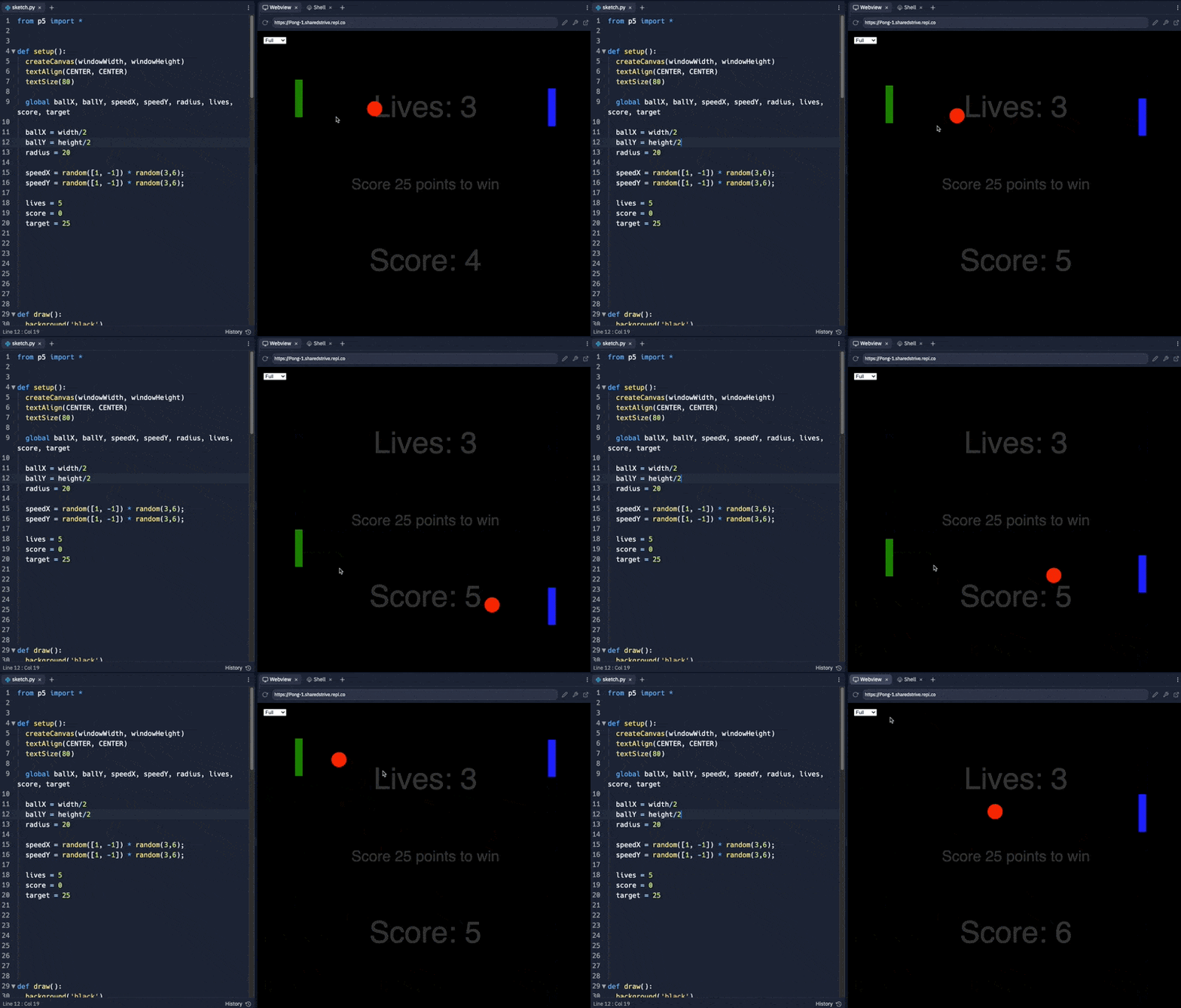
Python + games + your own world-class teacher
At Strive, kids learn to code games in 1-on-1 classes. What's more, the games kids build challenge them to apply what they learn in math, science, and other school subjects to real-world applications. As a result, kids develop a passion for coding while deepening their curiosity about what they learn at school.
Book a free trial class at strivemath.com and get your kid hooked on coding.